Conservation efforts in Nevada play a critical role in preserving the unique wildlife and stunning landscapes that define this region. From the bustling cityscapes of Las Vegas to the serene vistas of the southern Nevada deserts, understanding the state of conservation here reveals a pressing need for collective action. This page explores Nevada’s conservation landscape, focusing on wildlife habitat, nature protection, and land preservation while providing actionable steps for you to contribute to these vital efforts.
Understanding Nevada Wildlife Habitat
Nevada is home to a remarkable array of wildlife that thrives within its distinct habitats. From the towering mountaintops to expansive desert plains, these habitats are as diverse as they are fragile. Nevada’s delicate balance of ecosystems supports a variety of species, each dependent on its environment for survival.
The Importance Of Nature Protection
Protecting nature is pivotal in maintaining the health and vitality of Nevada’s ecosystems. Preservation efforts focus on creating safe environments where flora and fauna can flourish without the threats posed by development and urban expansion. This balance is essential for ensuring that Nevada’s natural beauty is preserved for generations to come.
Land Preservation: A Crucial Endeavor
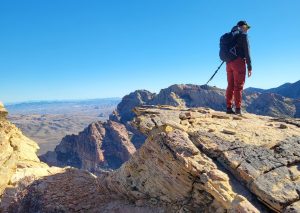
Land preservation in Nevada involves safeguarding vast tracts of open space and critical wildlife corridors. This effort ensures that the habitats of native species remain intact and that the land continues to support its natural processes. Preservation also plays a significant role in providing recreational opportunities for outdoor enthusiasts and maintaining the region’s aesthetic appeal.
The Vital Desert Ecosystem
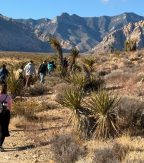
The desert ecosystem in southern Nevada is a testament to nature’s resilience, characterized by its arid climate and unique biodiversity. Protecting this ecosystem requires targeted conservation strategies to mitigate the risks of habitat degradation. These strategies include monitoring species populations and managing land use to prevent the encroachment of urban development.
Nevada Wildlife: Icons of the Wild
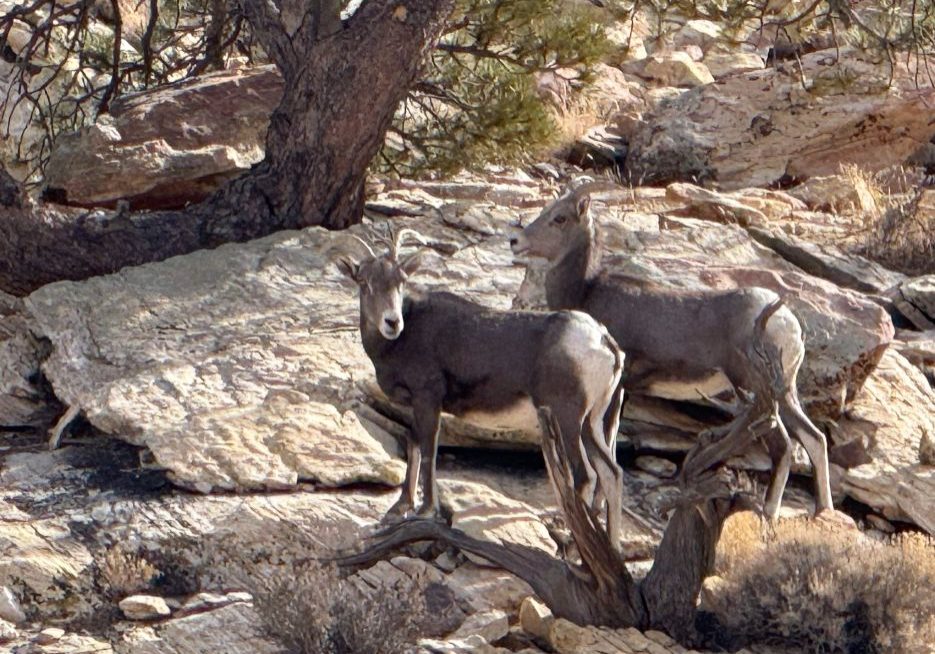
Nevada is a sanctuary for wildlife species that are emblematic of the American West. Iconic animals like the desert tortoise, bobcat, and bighorn sheep are integral to the state’s natural heritage. Conservation initiatives aim to protect these species, preserve their habitats, and educate the public about their ecological importance.
Collaborative Conservation in Nevada
Conservation in Nevada relies on collaborative efforts between various stakeholders, including governmental agencies, local communities, and conservation organizations. This collaborative approach ensures that diverse perspectives inform conservation strategies, leading to more sustainable and effective outcomes. By working together, we can tackle the challenges of land preservation and wildlife protection more efficiently.
Steps You Can Take to Help
Tackling conservation challenges requires collective action, and there are numerous ways you can get involved and make a difference:
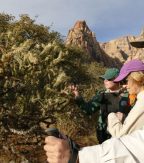
- Volunteer Opportunities: Join local conservation groups for hands-on work, such as trail maintenance or habitat restoration.
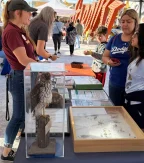
- Public Education: Attend workshops and presentations to learn more about Nevada’s natural environment.
- Advocacy: Support policies and initiatives that promote environmental conservation and nature protection.
- Responsible Recreation: Practice Leave No Trace principles when exploring natural areas to minimize your impact.
- Donation: By donating even small amounts of money to a conservation organization, you can help them fund their advocacy, educational, and maintenance programs.
Innovative Conservation Programs
Several innovative programs across Nevada focus on conservation and education. These programs are designed to engage communities, promote sustainable land use, and enhance biodiversity conservation across the state. Many of these initiatives provide educational resources and tools to help the public understand the importance of preserving Nevada’s unique landscapes.
The Role of Technology and Research
Technology plays a crucial role in modern conservation efforts. From satellite imaging to track land changes to using apps for citizen science projects, advancements in technology and research provide invaluable data to guide and improve conservation strategies. This integration helps maintain effective management of Nevada’s natural resources.
Understanding the Challenges
Nevada faces unique challenges in its conservation efforts, such as water resource management and wildlife conflicts. Addressing these challenges requires adaptive management plans and proactive strategies, ensuring the long-term preservation of the region’s ecological integrity.
The Benefits of Conservation to Society
The benefits of conservation extend beyond ecological health. A well-conserved environment enhances community well-being, boosts tourism, provides educational opportunities, and contributes to a more vibrant local economy. Protecting Nevada’s natural assets supports the quality of life for all who live and visit here.
Engage with Southern Nevada Conservancy
We invite you to join us in preserving Nevada’s natural wonders. Whether you’re a local resident or a visiting nature enthusiast, your involvement is invaluable. By supporting and engaging with Southern Nevada Conservancy, you contribute to conservation efforts that protect the landscapes and wildlife that make southern Nevada unique.